

It’s a time-honored tradition for teachers to use the start of the school year to reset their intentions for a fresh semester and look back on their teaching journey so far.
More than a decade ago, Wisconsin teacher Pernille Ripp cast her mind over her first five years of teaching and realized she had collected nearly as many don’ts as do’s.
“I was fearful that if I did not firmly assert my authority from the very first day of school, the rest of the year would be out of control,” she admits in the 2013 essay. “So assert I did—that year and for several years after. We did OK. I taught. My students learned. But I could sense so much wasted potential beneath my iron grip.”
Read the six common start-of-school tips she would now advise against—and the seven alternatives she’d offer instead.
Ripp is far from alone in ruefully reminiscing on her first year in the classroom; the Edweek Opinion section is full of teachers’ reflections on what they wish they had known before stepping in front of a classroom for the first time.
Let’s take it as a lightning round:
After 13 years in the classroom, New York teacher Starr Sackstein looked back on the beginning of her career with enough distance for brutal honesty: “I was a hot mess; I just didn’t know it.” In a 2014 reflection, she tallies up 12 things she wished she’d known as a new teacher.
A few years ago, Californian teacher blogger Larry Ferlazzo asked his fellow teachers to share the three things they would tell their first-year teacher self. Take a deep breath and dive into the eight-part series here:
- 11 Pieces of Advice Veteran Teachers Would Tell Their ‘First-Year Selves’
- Sage Advice From Veteran Teachers to Those New to the Classroom
- The Most Important Lessons Teachers Impart Are Not ‘Dictated by a Pacing Guide’
- Want to Become a Better Teacher? Put Your Students Before the Content
- You’re a New Teacher. It Can Be Messy But Also Thrilling
- Put ‘Relationships Before Curriculum,’ Veteran Educators Say
- Teachers: Give Yourself a Break. Don’t Expect Perfection, Especially in Your First Year
- Just Because You’re a Teacher Doesn’t Mean You Know It All
In his 2021 essay, Massachusetts teacher Stephen Guerriero shared seven tips from his 20 years in the classroom to help new educators strike the right balance in learning to be great teachers while taking care of themselves.
For Connecticut principal Kristen St. Germain, the traditional new teacher advice has taken on a personal tinge this year, as her own daughter follows her into teaching. A few months ago, she marked the occasion by issuing a call to action for new and experienced teachers, school leaders, and teacher-prep programs to collectively set the newest cohort of teachers up for success.
Georgia teacher and Education Week Opinion contributor Jherine Wilkerson offered her own twist on the format last year. Instead of focusing on what she wished she could tell her younger self, she used her vantage point from a decade into teaching to identify the six things she wishes her professors had prepared that younger self for back in ed. school.
Last month, New York educator Berit Gordon lodged her own complaint with how new teachers’ expectations are set, taking aim at the “nonsense” belief that the first year of teaching should feel like an endurance test. Read her nine tips for aiming higher than mere survival.
Of course, not all teaching wisdom is particularly wise. Take a stroll through Edweek’s Opinion archives and you’ll find one old chestnut that teachers love to debunk: Don’t smile until your second month on the job. Or is it Thanksgiving? Maybe Christmas?
“Smile on the first day of school, and if you can, smile the next day, too,” Pennsylvania teacher Gary Kowalski advises instead. “If a kid says something funny, you’re allowed to laugh. Students will match your energy and your mood, and if you create a positive classroom, you’ll feel the impact when you go home and so will they.” Read his 2024 essay for eight additional tips on creating a welcoming classroom environment from Day 1.
Another champion on the side of smiles is Virginia principal and Education Week contributor Kambar Khoshaba, whose essay “How Principals Can Start School With a Smile” lays out five tips for a cheerful return.
In “How I’m Putting the Joy Back in Teaching This Year,” Maryland teacher Dominique Dickson also offers her own strategies for doing just that. Rediscovering joy doesn’t require a total overhaul; a few slight mental shifts can go a long way, Dickson writes. Just take her resolution #3: “Be all about the small.”
The joys of teaching were also front of mind for Ariel Sacks back in 2017. In her first year since leaving the classroom, the former teacher was feeling nostalgic come August, prompting her to list out “Five Things to Appreciate About a New School Year.”
In addition to all the soul-searching and resolution-setting, there are some very practical decisions to be made at the start of the school year—beginning with what your classroom should look like.
For Oklahoma teacher Amanda Austin Becker, that meant scouring Craigslist, garage sales, and Goodwill for used office supplies and engaging bookshelf fodder. Writing back in 2018, the then-newbie teacher documented her enthusiasm while setting up her first classroom—complete with lots of pictures.
A group of Delaware teachers also walked Education Week though their process of transforming cinder block walls into a warm and exciting learning environment, in this 2017 video:
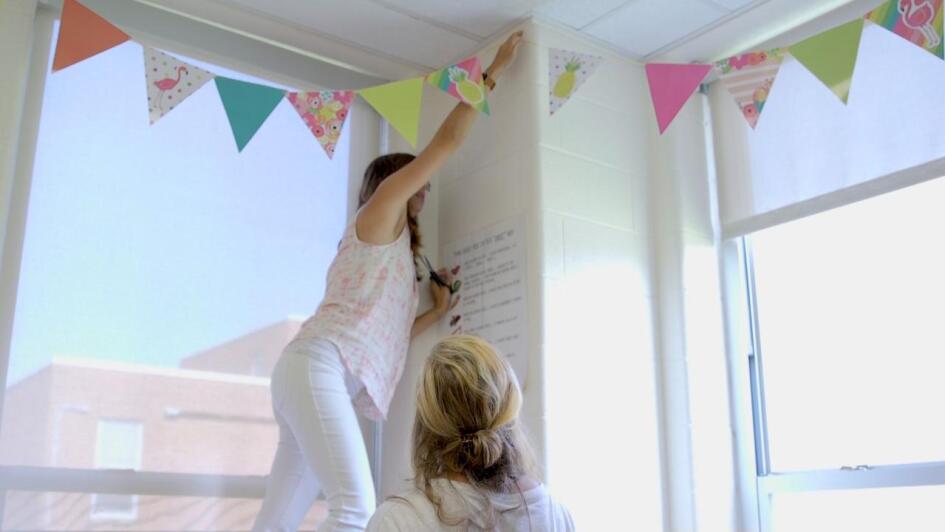
How much do those classroom beautification efforts really matter? Teacher-turned-researcher Samantha Keppler spent her grad school years tackling that question.
“To me, the time and money spent on making our school and classrooms beautiful was just a distraction,” she recalled thinking as a teacher. “Those things don’t help my students learn math. Or do they?”
It turns out they do, at least according to Keppler’s research.
Need a bit more advice on starting out on your best foot? Larry Ferlazzo has you covered once again. Trawl through a highlight reel of some of his favorite tips over the years or jump into a few newer roundups laying out how teachers plan on spending the first two weeks of class:


