We continue our study abroad theme this week. But not all students are able to study abroad, so how can we use the experiences of those that do as part of the curriculum? Matt Redman, CIEE Global High School and Teach Abroad Director, shares some ideas. And remember to join #GlobalEdChat on Thursday, July 23rd at 5pm Pacific/8pm Eastern on Twitter. We will be discussing travel opportunities for teachers and students.
Waking up to the smell of freshly baked bread, Hannah, a 16-year-old from New England, expects another great day in Spain. She greets her host mom and finds a bag from the bakery on the kitchen table, as well as a display of orange marmalade, butter, and Nutella. After breakfast, she joins her classmates for a tour of the graffiti that is so prevalent across the city of Seville. A day earlier, Hannah’s class visited a photography exhibit and researched famous Spanish artists on their tablets. Now Hannah can put her learning to use, as she makes her own tag (drawing) on a sanctioned graffiti wall.
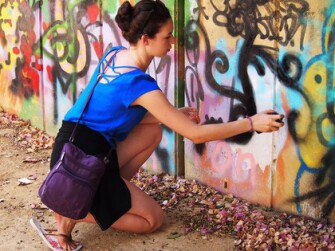
Transformative academic and cultural experiences from studying abroad, like Hannah’s, are happening every day around the world (albeit with different breakfast menus and learning excursions). These student experiences provide rich, authentic resources for not just the student who takes part, but also for their peers.
Not all students study abroad, but every student should have the chance to learn the global competency skills that come with international experience. To make this possible, schools need to incorporate the lessons learned by those students who do study abroad into the curriculum, to share.
Integrating Experiences into the Curriculum
Students today learn in ways that are completely different from generations past. At the core of their learning are shared experiences—both their own and others’. Digital photography and video technology make it easy to incorporate firsthand accounts into curriculum. Teachers can incorporate photos of art, food, dancing, and more from other cultures into existing curricula. Or they can have students who study abroad share memories from their experience with the class.
These firsthand student experiences are also the perfect vehicles for comparing cultures and perspectives. Take Hannah’s story, for example. A discussion of meal times in Spain versus those in the United States can help students learn about the differences in time values. Even Hannah’s description of the breakfast waiting in the kitchen speaks volumes about the importance of meals in Spanish culture.
By recognizing and incorporating skills gained and lessons learned during a study abroad experience into the curricula, they can extend these experiences far beyond just language learning to cultural understanding and global education objectives. Take Hannah’s example again—her learning could be applied to common core standards for ELA-literacy as well as to World Language Standards using the ACTFL standards for interpersonal and presentational communication.
Teachers Take a Turn
But it’s not just students’ study abroad experiences that are beneficial to the classroom experience. Teachers also have opportunities for international experience, such as by serving as a program leader for a student study abroad program or by taking part in professional development opportunities offered by organizations like IREX and the Fulbright Distinguished Awards in Teaching Program. While in the field, teachers can get on-demand access to curriculum through new technologies, and then use those same technologies to pull their experiences directly into the classroom. This investment in educators is crucial, not just for teachers’ own growth, but also for improving classroom internationalization.
Intentional Programs Tie Best to Classrooms
We’ve established that tying firsthand accounts of students’ international experiences to curricula can help schools successfully internationalize the classroom. But which international programs are best?
There’s no shortage of programs for students interested in spending time in another country and culture. Opportunities to travel abroad range from family vacations overseas to organized school exchanges—and the list is getting longer every day. Overall, the best study abroad programs that successfully support and/or complement curricula are those that are structured, provide clear learning objectives, and are more than touristic travel opportunities (though that doesn’t mean a lack of fun!). But how do we guide students to the right choices?
Teachers can play a key role in influencing students’ decisions. It starts with helping students set expectations for their experience by asking the following questions:
- Do you want to learn the language?
- Language learning can be challenging and requires study. Programs that approach language instruction with structure and class time produce results.
- How long are you prepared to travel for?
- Longer programs can be more challenging but provide more opportunity for deep learning. Students must pick a program that is challenging but realistic for their maturity and challenge level.
- What kind of interaction and experience is realistic in a summer program?
- Full language fluency and save-the-world service projects are not accomplished in the span of a summer. Students must set realistic expectations of what they hope to accomplish during their time abroad.
Students also need to consider costs. Scholarship programs such as CIEE’s Global Navigator Scholarship program, service programs abroad like those from Global Glimpse, and travel requirements by student mentoring organizations like Summer Search provide financial aid for students, helping to ensure that the option is open to all students who want to study abroad.
Not every student will study abroad. But by using the experiences of the students who do as part of the curriculum, schools can ensure every student has a chance to gain skills that will help to make them competitive in school, career, and beyond.
Follow CIEE, Asia Society and Heather on Twitter.
Image courtesy of CIEE.


