Communication, listening, transparency, and trust. These were the words that I heard often as I was reporting for Big Ideas 2026. Many of the organizational leaders whose work centers on bridge building in the K-12 field explained that there was no “kumbaya moment” to solve some of educators’ toughest challenges. Instead, they are working to solve their problems by building relationships close to home. Over the course of my interviews, teachers, principals, district leaders, school board members, and leadership experts frequently shared similar sentiments with me.
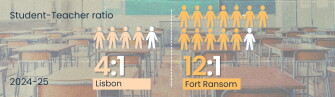
In late April, I reached out to Melissa Sadorf of the National Rural Education Association who told me about two districts facing one of K-12 leadership’s biggest heartbreaks and toughest jobs: closing a school. At the end of the 2024-25 school year, Fort Ransom’s superintendent in rural North Dakota had to do just that. The district leader opted to work with his neighboring superintendent in Lisbon to create a “new chapter” for his students—one that would combine the two districts two years down the road. Several years in the making, the plan was not theirs to finalize. It ultimately fell to the voters of Fort Ransom and Lisbon to decide the future of their districts in a special election this summer.

I asked the superintendents and school board members of Fort Ransom and Lisbon to share, in their own words, what they were up against and how they avoided blowing up their communities which have held close ties for generations. I also invited two middle school students to speak on camera about what this experience has been like for them.
Rounding out Big Ideas, Education Week Deputy Managing Editor Kevin Bushweller takes a hard look at the ingredients leaders should use to build strong and stable relationships in their school communities in his reported essay. (Spoiler alert: Listening helps. It’s not just about being nice.) Reporter Caitlynn Peetz Stephens covers this year’s EdWeek Research Center’s national survey of school board members and the kinds of strategies they are using to reduce friction in their communities.
This project is part of a special report called Big Ideas in which school district leaders, Education Week reporters, and the EdWeek Research Center ask hard questions about K-12 education’s biggest challenges and offer insights based on their extensive expertise and coverage.
Meet the districts
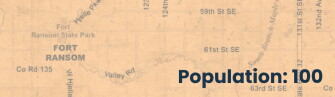
Separated by 18 miles, the rural districts of Fort Ransom and Lisbon in North Dakota successfully worked together to create a new school community for Fort Ransom students after its only school closed. Their proximity and closely held ties over generations created advantages and challenges as they navigated the reorganization process over several years. In July of 2027, the districts will officially combine into one.