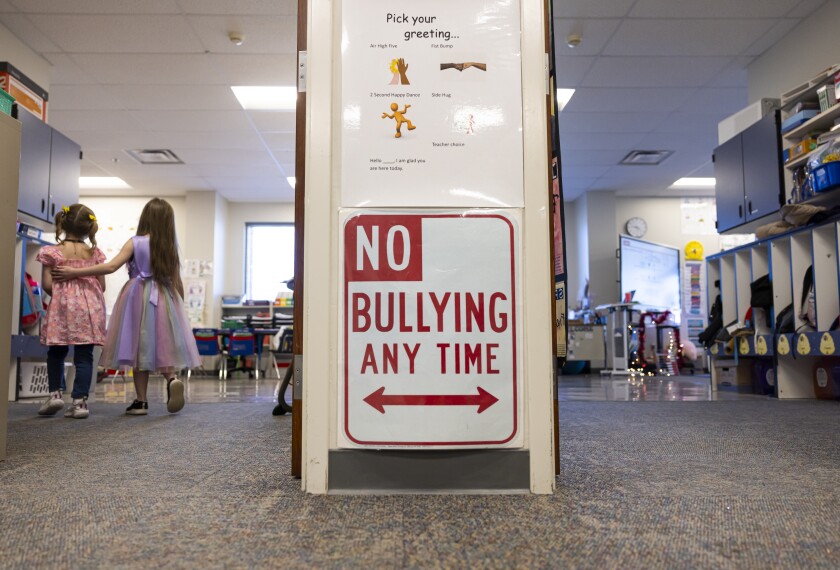
Each fall, back-to-school season is celebrated as a time of fresh beginnings: new classrooms, sharpened pencils, and the promise of possibilities. But for many students, this transition brings about a new wave of pressures. Behind the first-day photos and welcome-back banners, many young people enter school buildings carrying an invisible weight of anxiety, stress, and mental health challenges.
Being a student today is vastly different from what it was a generation ago. School safety drills are routine. Academic competition among peers starts earlier and runs deeper. Students face mounting pressure to participate in multiple extracurricular activities to boost college applications. Economic uncertainty in the country adds stress to what their future will look like. Increased device usage among teens can both facilitate and undermine social connection. Combined with the lingering effects of a pandemic that disrupted learning, friendships, and routines, it’s no surprise that rates of anxiety and depression among youth are rising.
According to the Centers for Disease Control and Prevention’s recent Youth Risk Behavior Survey Data Summary & Trends report, 40% of high school students who experienced persistent feelings of sadness or hopelessness in 2023—an increase from 30% in 2013. In the 2023 Merrimack College Teacher Survey conducted by the EdWeek Research Center, more than half of teachers surveyed say that the current state of youth mental health is hurting students’ academic and social-emotional learning, as well as challenging educators’ ability to manage their classrooms.
Despite this growing body of data, access to youth mental health resources remains deeply inadequate. Across the United States, and especially in rural areas like my home state of Montana, there is a critical shortage of child mental health care providers and limited access to school-based services.
We must prioritize making schools physically and emotionally safer. Every student, no matter their Zip code or background, deserves to feel safe, heard, valued, and respected.
If the aim is to address youth safety and well-being in and out of the classroom, education leaders must go beyond merely implementing new district mandates, teacher-training procedures, or school policies. It begins with leaders bringing together individuals, experts, and young people to engage in conversations about how to better empower and support youth.
Superintendents, principals, counselors, teachers, parents, community members, mental health professionals, and youth are coming together at summits, conferences, workshops, and more to broaden the conversation around youth mental wellness because the solution to this challenge isn’t a one-size-fits-all policy or procedure. Each student faces unique challenges based on their individual experiences, and the approaches to ensure youth emotional and physical safety should be thorough and comprehensive. In fact, according to the Coalition to Empower Our Future (of which I am a board member), the majority of the surveyed voters and parents favor this comprehensive solution.
Education leaders’ response to this crisis needs to engage the wide variety of voices that represent different facets of this challenge, and most importantly, they must engage young people themselves in these conversations. While we can assemble experts in education, safety, and mental health, we’d be missing the mark if we didn’t hear from those living through all this, those who are in the classroom and lunchrooms every single day: our young people.
Schools, parents, and communities must recognize this reality and respond with urgency. Given the time children spend in classrooms and in extracurriculars, parents are turning to a variety of resources and individuals for support. Research from the Coalition to Empower our Future shows that parents nationwide rely on friends, community organizations, teachers, school administrators, coaches, and other after-school instructors to help better support and address their child’s well-being. That means education leaders must do more than offer students an occasional wellness assembly.
Alongside working with experts and young people, it involves embedding well-being into the fabric of school. Education leaders should start by:
- Training teachers and community members to recognize warning signs. When teachers, coaches, and community members are equipped with the tools and resources to catch early signs of distress, kids may get help earlier, and parents won’t be left navigating challenges alone.
- Expanding access to school counselors and psychologists. Embedding support where kids already are can help reduce barriers and give families easier, faster access to it.
- Ensuring students feel comfortable asking for help. Kids should feel comfortable saying “I’m struggling.” Educating them about the importance of speaking out and encouraging them to have meaningful relationships with adults could empower them to speak up sooner.
- De-stigmatizing conversations about mental health. When mental health is treated as a normal part of life, kids feel less shame, and parents feel less alone in supporting them.
If we view this time of year not only as a logistical transition but as an emotional one, we can better prepare our students for success both inside and beyond the classroom.
Through their struggles, voices, and actions, this generation of young people is telling us that they need more than just academic support. They need balance, empathy, and systems that prioritize their mental health and safety.
As we enter this new school year, we should ask ourselves: Are we truly preparing our youth for the future or are we overwhelming them before they’ve even had the chance to grow? If we listen closely, the answer is clear. It’s time to make youth safety and well-being a back-to-school priority.