Opinion
Used to Think
School & District Management Opinion

‘I Used to Think School Systems Were Broken': Educators Reflect

A Video Project
September 27, 2023 1 min read
School & District Management Opinion

‘I Used to Think School Systems Were Broken': Educators Reflect

A Video Project
September 27, 2023 1 min read
  • Save to favorites
  • Print

Getting anyone to change their mind or even evolve their thinking can be a serious challenge. But a course for future systems leaders at the Harvard Graduate School of Education aims to do just that. Originally taught by Richard Elmore, the late education professor, the course is now led by Jennifer Perry Cheatham, a former district superintendent. In collaboration with two education leaders and former graduate students, Cheatham updated the course, keeping Elmore’s now-famous 2010 essay “I Used to Think … and Now I Think ...” in mind. Wrote Elmore, “As practitioners, we are notoriously poor observers of our own practice and therefore not very good at judging the correspondence between our beliefs and our behavior.”

To explain how they narrowed that distance between their beliefs and behavior, the education leaders from last year’s course share their thoughts below. To see how you, as a systems, building, or instructional leader can incorporate this work into your practice, read the corresponding essay by Jennifer Perry Cheatham, Erica Lim, and Carmen Williams.

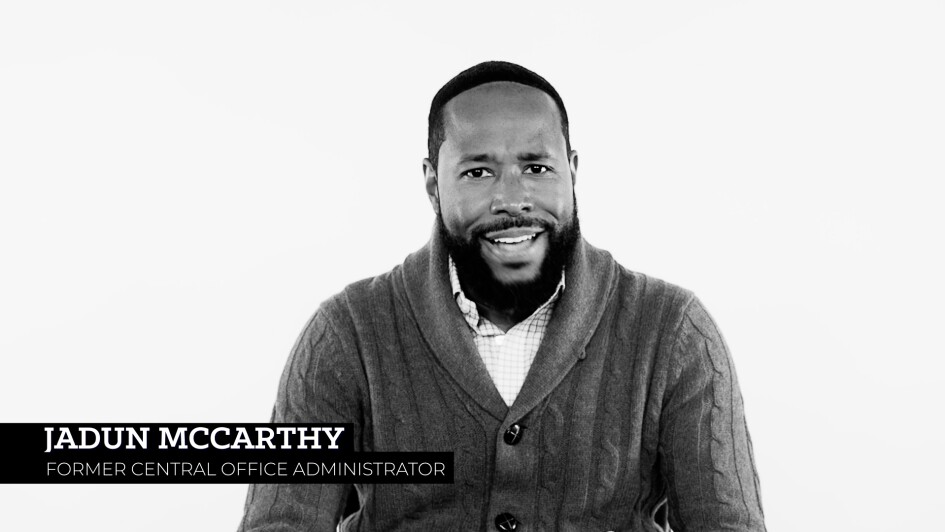
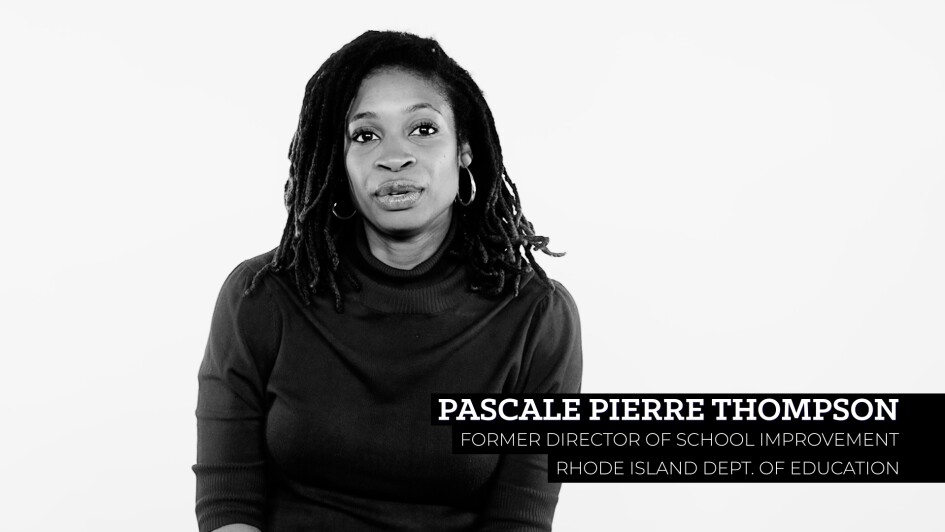
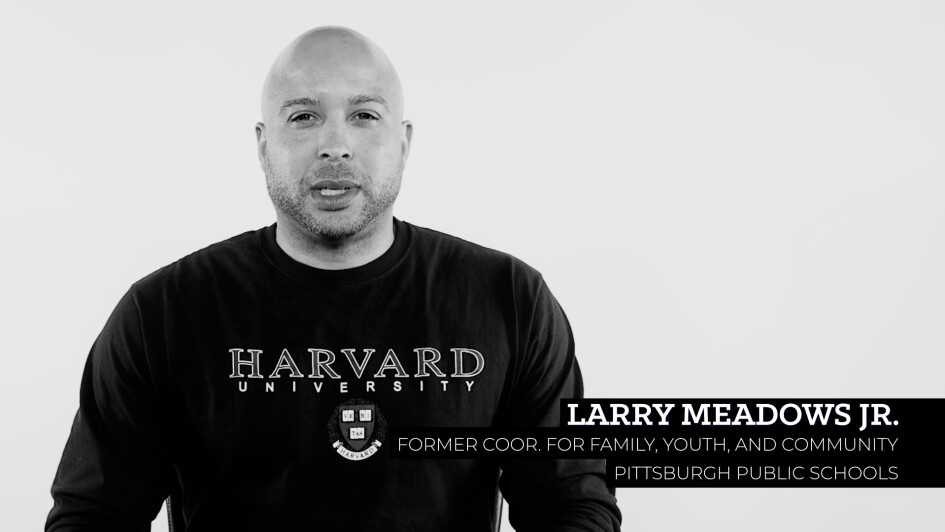
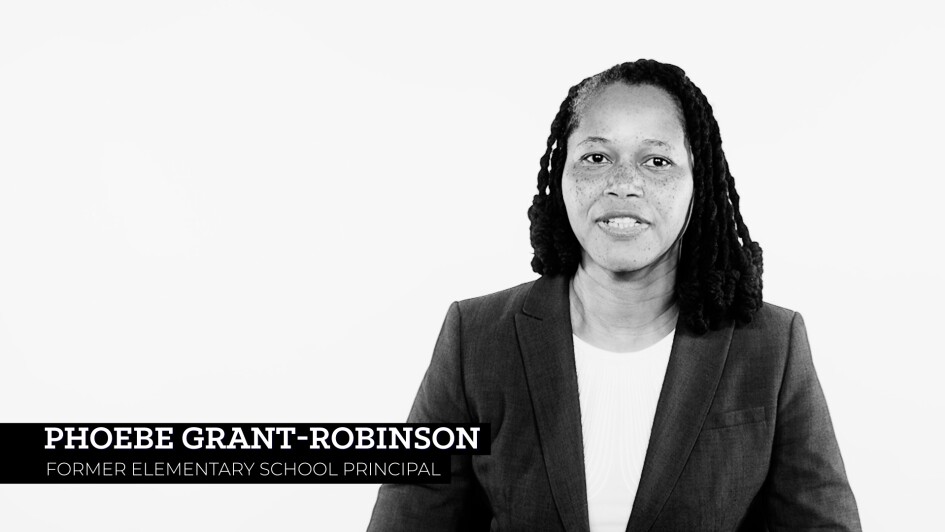
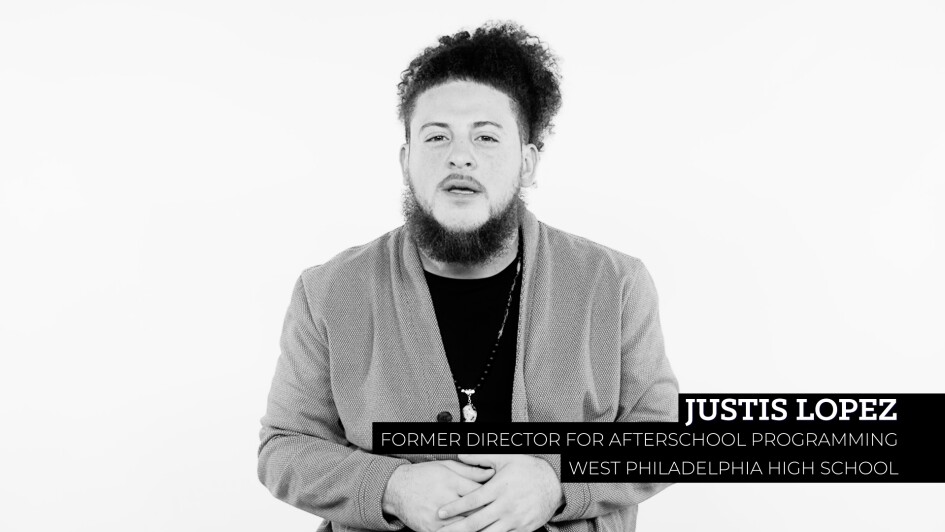
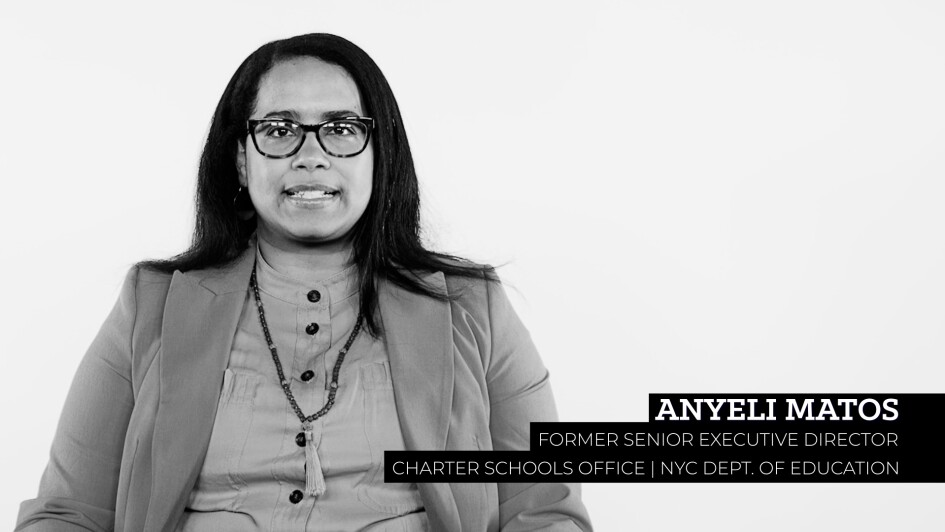
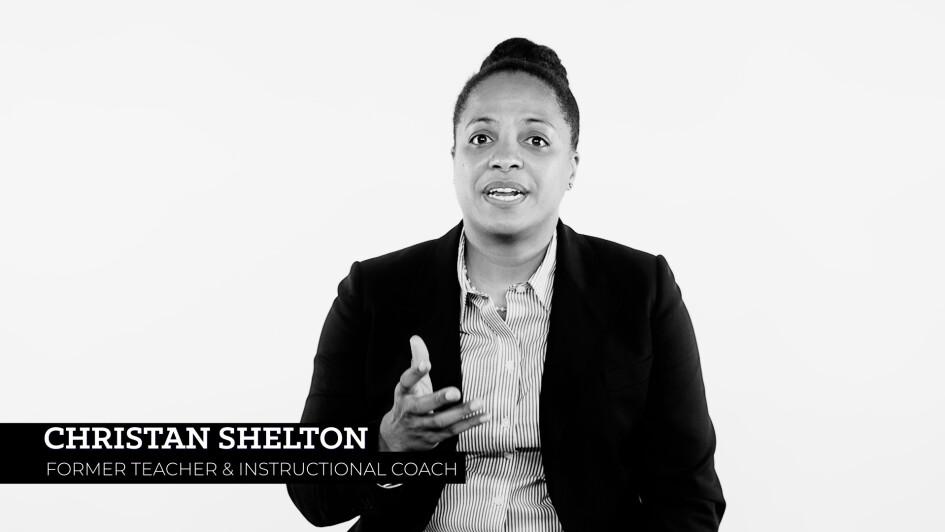
Editor’s note: The videos were filmed while these students were taking the Leaders of Learning class. Their titles reflect their positions at the time of filming.

  • I used to think... we needed revolution.

    I used to think... there were a few roles that if done correctly could radically transform education.

  • I used to believe... in policy solutions to ensure an equitable, level playing field for every child.

    I used to think... that leaders of learning had to have all the answers.

  • I used to think... to meet the needs of the students on the margins, I had to bend the rules whenever possible.

    I used to think... leading learning was about teacher autonomy.

  • I used to think... that the best strategies for leading learning would come from the outside.

    I used to think... the greatest barrier impacting education was the external environment and social conditions.

  • I used to think... that state and federal officials were charged with creating policy for districts and school communities.

    I used to think... that master scheduling was a technical exercise.

  • I used to think... that education reform was simple.

    I used to think... that because individuals learn naturally, then organizations should be able to learn naturally as well.

  • I used to think... school systems were broken.

    I used to think... that superintendents were best positioned to do the work of ensuring that the vision was carried out in the district.

  • I used to think... that I could diagnose the next steps for instructional improvement primarily based on what I could see.

    I used to think... that instructional coherence ran vertical across different school sites within a school district.

  • I used to think... that my impact as a central office leader was limited because I don’t have direct instructional experience.

    I used to think... that the district-level leader or superintendent’s main role was to create a strategic vision and then build a team to help execute that vision.

  • I used to think... that learning organizations were defined by formal structures.

    I used to think... that organizational learning happened organically.

  • I used to think... instructional coherence was mostly just a vision.

    Related Reading

    How I Teach Educators to Change Their Minds
    Explore the related essay.

Related Tags:

Events

Jobs Regional K-12 Virtual Career Fair: DMV
Find teaching jobs and K-12 education jubs at the EdWeek Top School Jobs virtual career fair.
This content is provided by our sponsor. It is not written by and does not necessarily reflect the views of Education Week's editorial staff.
Sponsor
School Climate & Safety Webinar
Cardiac Emergency Response Plans: What Schools Need Now
Sudden cardiac arrest can happen at school. Learn why CERPs matter, what’srequired, and how districts can prepare to save lives.
Content provided by American Heart Association
Teaching Profession Webinar Effective Strategies to Lift and Sustain Teacher Morale: Lessons from Texas
Learn about the state of teacher morale in Texas and strategies that could lift educators' satisfaction there and around the country.

EdWeek Top School Jobs

Teacher Jobs
Search over ten thousand teaching jobs nationwide — elementary, middle, high school and more.
View Jobs
Principal Jobs
Find hundreds of jobs for principals, assistant principals, and other school leadership roles.
View Jobs
Administrator Jobs
Over a thousand district-level jobs: superintendents, directors, more.
View Jobs
Support Staff Jobs
Search thousands of jobs, from paraprofessionals to counselors and more.
View Jobs

Read Next

School & District Management What the Research Says How These Schools Doubled Teacher Planning Time
A California pilot program adjusted school schedules to give teachers more time.
6 min read
Teacher planning time. Planner book with a stopwatch that is adding minutes.
Collage by Vanessa Solis/Education Week + E+ with Canva
School & District Management Opinion If We Want Teachers to Stay, Principals Must Lead Differently
Here are three ways school leaders can make teaching feel more sustainable.
4 min read
Figures are swept up to a large magnet outside of a school. Teacher retention.
Vanessa Solis/Education Week + Canva
School & District Management How Top Principals Advocate for Their Students and Schools
Principal-advocates coach and encourage others in schools to speak up
5 min read
Rod Sheppard, former principal of Florence Learning Center in Florence, Ala., Angie Charboneau-Folch, principal of the Integrated Arts Academy in Chaska, Minn., and Chase Christensen, the principal of Arvada-Clearmont school in Wyoming, share strategies on how to advocate for public schools at the National Education Leadership Awards gathering in Washington, D.C. on April 17, 2026.
Rod Sheppard, former principal of Florence Learning Center in Florence, Ala., Angie Charboneau-Folch, principal of the Integrated Arts Academy in Chaska, Minn., and Chase Christensen, the principal of Arvada-Clearmont school in Wyoming, were interviewed by Chris Tao, a National Student Council member, on stratgies to advocate for public schools at the National Education Leadership Awards gathering in Washington on April 17, 2026.
Allyssa Hynes/National Association of Secondary School Principals
School & District Management Opinion How Teachers Can Get the Most Out of Their HR Office (Downloadable)
Here’s what your school district’s human resources staff can and can’t do for you.
Anthony Graham
1 min read
A group of people discuss the things human resources can and cannot do.
Vanessa Solis/Education Week + Getty + Canva