The following is a summary of fiscal 2001 state budgets for schools and highlights of final education-related action in legislatures. The figures for the state budget and for precollegiate education spending include money for state education administration, but not federal, flow-through dollars. Percentage increases are based on rounded numbers, and estimated enrollment reflects the state’s projected public school enrollment for 2000-01, unless otherwise noted. Depending on the state, figures may or may not include prekindergarten spending and enrollment.
ALABAMA
Governor: Donald Siegelman (D)
FY 2001 state budget: $7.3 billion
FY 2001 K-12 budget: $3.04 billion
FY 2000 K-12 budget: $2.90 billion
Percent change K-12 budget: +4.8 percent
Estimated K-12 enrollment: 733,000

|
Highlights:
- Alabama teachers will see pay raises next year ranging from 1 to 5 percent, with higher increases for teachers who have more seniority. Legislature also approved long-term plan locking in teacher raises to help reach national average.
- Pay raises, a top priority of Gov. Siegelman, were linked to changes in state’s tenure law. New principals will no longer receive tenure, and new legal grounds for dismissal have been added to make it easier to remove poor teachers.
- Budget provides $8.3 million to help struggling schools meet state’s new accountability demands; $10.2 million to expand state’s reading initiative; $6 million to help students in danger of failing state’s new high school exit exam; and $1.3 million to install video cameras in schools to improve safety.
COLORADO
Governor: Bill Owens (R)
FY 2001 state budget: $5.35 billion
FY 2001 K-12 budget: $2.23 billion
FY 2000 K-12 budget: $2.10 billion
Percent change K-12 budget: +6.2 percent
Estimated K-12 enrollment: 718,000
Highlights:
- Legislature passed centerpiece of governor’s education package, a measure that expands use of Colorado Student Assessment Program tests and will assign letter grades to schools based on student performance. High-scoring and most-improved schools can get financial rewards, while schools receiving failing grades face new management if they don’t improve.
- Lawmakers increased spending for operating public schools for next year and authorized $190 million in spending over 11 years for school construction and repairs. Facilities measure came as part of settlement of a lawsuit by six of state’s poorest school districts. Settlement was finalized by a state judge on June 9.
- Governor signed bills that provide for literacy grants targeted at 2nd and 3rd graders; give teachers more authority to remove unruly students from their classrooms; and allow schools to buy security equipment with money from bond issues.
MINNESOTA
Governor: Jesse Ventura (I)
FY 2001 state budget: $12.9 billion
FY 2001 K-12 budget: $4.18 billion
FY 2000 K-12 budget: $3.86 billion
Percent change K-12 budget: +8.3 percent
Estimated K-12 enrollment: 848,000

|
Highlights:
- State is entering second year of biennium. State aid for fiscal 2001 will increase by $161 million, including $18 million more for special education and $34 million for professional development.
- Lawmakers modified Profile of Learning, a package of performance tasks students must complete to graduate from high school. State and local performance packages are not required to assess students’ progress, but grading systems must be consistent with state criteria.
- Under changes to Profile, districts can phase in number of content standards required, make scoring more flexible, and waive all requirements for current 9th and 10th graders. Districts must vote by Aug. 15 on how many content standards they will require students to complete.
MISSISSIPPI
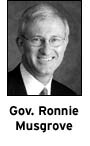
Governor: Ronnie Musgrove (D)
FY 2001 state budget: $6.63 billion
FY 2001 K-12 budget: $1.66 billion
FY 2000 K-12 budget: $1.62 billion
Percent change K-12 budget: +2.5 percent
Estimated K-12 enrollment: 500,000
|
Highlights:
- Legislature passed five-year plan to increase teachers’ salaries, beginning in 2002, by average of $9,000—about 29 percent—by fiscal 2005. For increases to be automatic, however, state revenue growth must exceed 5 percent. Teachers now earn average of $30,743.
- New accountability system will set annual goals for schools and classify them based upon students’ performance. Measure includes procedures for assisting low- performing schools. Evaluation teams may identify principals and teachers in such schools for extra professional development and evaluations; educators who don’t show improvement in certain time period may be dismissed.
OKLAHOMA
Governor: Frank Keating (R)
FY 2001 state budget: $5.3 billion
FY 2001 K-12 budget: $1.97 billion
FY 2000 K-12 budget: $1.78 billion
Percent change K-12 budget: +10.7 percent
Estimated K-12 enrollment: 586,000
Highlights:
- Lion’s share of budget increase comes from $3,000 across- the-board pay raise for public school teachers, totaling $157 million.
- A $6.6 million increase in formula-based operating aid to school districts is due to rising student enrollment.


