In today’s uncertain economic environment, states are striving to ensure their high school graduates are armed with the tools they need to be competitive. As college applications soar and the economic returns on a postsecondary education reach historic levels, high school graduation has become less a final educational destination than a steppingstone to future success.
To provide a clear picture of where states stand on this subject, the Editorial Projects in Education Research Center conducted an original survey of the 50 states and the District of Columbia examining 18 policy indicators related to high school graduation. These indicators track activity in three broad areas: definitions of college and work readiness, high school completion credentials, and high school exit exams. Detailed survey results are presented on Page 36.
Definitions of Success
The most significant sign of momentum in state policy is an increase in the number of states defining what it means to be college-ready. A formal college-readiness definition provides a road map for high school students preparing for postsecondary coursework. For the class of 2009, 20 states—five more than last year—have described the skills and knowledge needed to succeed in entry-level college work. These definitions include a variety of components ranging from coursetaking recommendations to minimum scores on standardized tests.
Definitions in 14 states involve academic-content standards, and 13 definitions include coursetaking requirements. Proponents of these measures suggest they have the potential to curb remediation rates at the postsecondary level and to help ensure that students arrive prepared to enroll in and succeed at credit-bearing college coursework.
Seven states include both academic elements and/or “soft skills,” such as time management and successful study habits, as prerequisites for college readiness. Eleven states are in the process of developing an official definition of college readiness, one sign of the readiness agenda’s momentum.
The EPE Research Center began tracking states’ progress in defining college readiness in 2007. As of that year, 11 states had described the skills and knowledge students need in order to be prepared for postsecondary education. Two years later, a total of 20 states had done so, with 11 additional states indicating that work on a definition is in progress. While this trend suggests that college readiness is receiving increased attention from policymakers, the majority of states have yet to complete the process of identifying the key benchmarks college-ready students should meet.
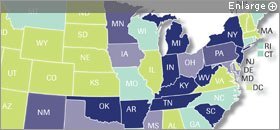
SOURCE: EPE Research Center, 2009
College is not the only postsecondary destination for students, and there is a policy debate about whether college and work readiness are synonymous or require differing approaches. Work-readiness definitions are typically made up of at least one of four key elements: courses, skills, standards, and tests.
Twenty-eight states have defined work readiness, while seven additional states demonstrate progress toward crafting such a definition. In some states with definitions in place, expectations for work readiness are embedded in standards for programs in career and technical education.
The EPE Research Center asked states to provide work-readiness definitions and indicate whether these prescriptions are distinct from those for college readiness. Five states report that work-readiness expectations differ from benchmarks for college preparation.
Credentials for High School Seniors
State policies governing the requirements for earning a high school diploma have remained largely static during the past year. The average student graduating in the high school class of 2009 must complete about 21 credits to earn a diploma, according to an EPE Research Center analysis of data provided by the Education Commission of the States. Twenty-four states offer students advanced recognition for exceeding standard requirements, based on a combination of coursetaking, grade point average, or test scores. Twenty-seven states offer students not meeting all standard graduation requirements an alternative credential, often a certificate of completion for students with disabilities or those failing exit exams. Six states leave most decisions about such alternative credentials to local education agencies.
Exams for High School Completion
Twenty-four states now require that students pass a high school exit exam to receive a standard diploma. All but one of those states test knowledge in both English and mathematics, while about half have exit exams that cover such other subjects as science and history. In 20 states, exit exams are based on standards for 10th grade or higher. Seventeen states pay for remediation for students who do not pass the exam the first time, up from 12 states in 2006. A large majority of exit-exam states (21 of 24) have established an appeals process or alternative route allowing students to receive a standard diploma without passing the exam.
Facing escalating pressure to produce high school graduates who are ready to compete on a global scale, many state policymakers and legislators are showing a renewed commitment to improving the quality and rigor of high school education. Although some aspects of graduation policy have not changed over the past year, states are redoubling efforts to define readiness in order to smooth students’ transition into postsecondary education or the workplace.


