

Health insurance is expensive, stressful, and confusing to navigate for the common customer. For school districts, it’s not much different.
Many districts are dealing with skyrocketing costs of providing health insurance to staff, thanks to a wide range of recent developments in health, medicine, and the labor market.
Roughly 3 in 4 district leaders who answered an EdWeek Research Center survey between Jan. 31 and March 4 said health insurance costs had increased since the 2022-23 school year. Slightly less than a quarter saw no change in health care costs for staff, and only 1 percent saw a slight decline.
More than a third of district leaders saw health care costs increase by more than 10 percent, according to the survey, which included responses from 239 district leaders. Seven percent saw costs increase by more than 25 percent.
The Forest school district in rural northwestern Pennsylvania, for instance, saw a modest increase of 2.3 percent in health insurance costs between 2022 and 2023. Staff health insurance this year cost $1.4 million, or roughly 10 percent of the district’s annual operating budget of $15 million.
But Superintendent Amanda Hetrick has seen preliminary numbers that suggest the next increase for the upcoming school year could be as high as 10 to 12 percent. She’s not counting on much help from the state to make up the difference for her district, which she describes as “rural beyond rural.”
“We’re one of 500 some districts, and population-wise we are the smallest county in the state,” Hetrick said. “We don’t have a lot of big swing.”
The vast majority of school district budgets—between 80 and 90 percent—go towards compensation and benefits for staff. Health insurance is a significant and unpredictable part of that sum.
Here are a few reasons why some districts are sweating the health care bill this year.
The long tail of the pandemic hasn’t gone away
In the Forest district, many staff members have resumed medical appointments or pursued procedures that they had put off during the height of the COVID-19 pandemic. That means a few years of relatively limited cost increases has given way to steeper increases, Hetrick said.
Hetrick’s district has also seen an uptick in respiratory viruses during the school year: not just COVID and the flu, but RSV as well. The sicker the staff, the higher the medical bills the district’s insurance plan has to cover.
Meanwhile, the health insurance provider for all of Vermont’s school districts is raising premiums because hospitals and other medical facilities have invested in salary increases to help address the ongoing pandemic-era shortage of nurses and other skilled medical workers.
Emerging drugs are driving up prescription costs
Doctors can prescribe medications like Ozempic to help diabetes patients manage blood sugar levels. In recent years, bolstered by endorsements from the Food and Drug Administration, many doctors have been prescribing the Ozempic relative Wegovy to help non-diabetic patients lose weight.
These medications are expensive, in part because of short supply and high demand. Some previously reluctant insurance providers have started covering them even for weight loss, though others have backed off as costs have risen.
Some districts are feeling the pinch in their budgets. In Schoharie, N.Y., the school district is exploring the option of switching to a health care provider that sources Ozempic and other weight-loss drugs from Canada and other countries, where the costs for weight-loss drugs are significantly cheaper.
One plan with international shipments would cost the district $40,000 a year on prescriptions for staff, compared with the current cost of $320,000 per year.
“The costs that districts are incurring because people are using these medications more readily is quite drastic,” said David Blanchard, the district’s superintendent.
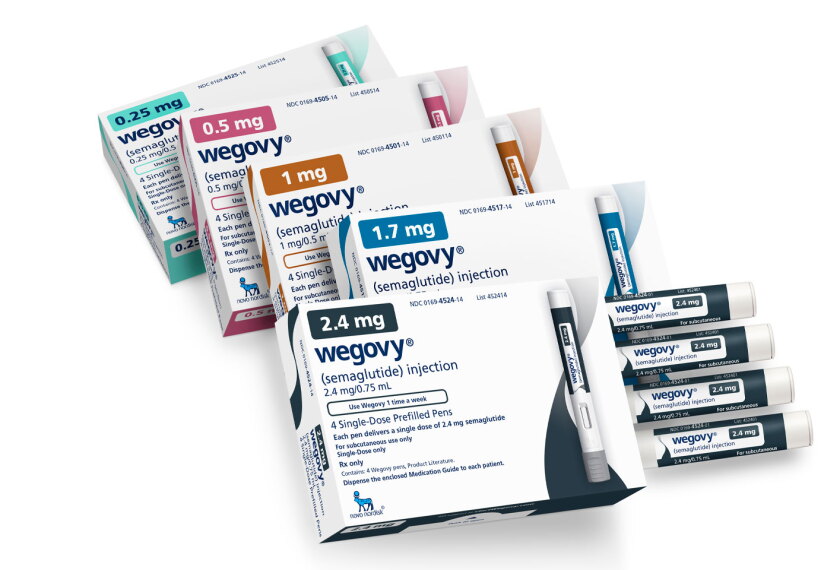
This isn’t a universal problem, though. In Iowa, the state health insurance plan for school district employees doesn’t cover weight-loss medications for non-diabetic patients, said Shashank Aurora, chief financial officer of the Des Moines school district, the largest in the state. As a result, those medications haven’t cost the district much, he said.
Workers have the upper hand in negotiating better coverage
High health insurance costs often lead to bigger expenses for staffers who are covered. Schools have struggled with staffing in recent years, giving labor unions and other advocates for school staff more leverage in negotiations over benefits.
Teachers in Rochester, Minn., are negotiating with the school district there on a proposed increase to the district’s contribution to their health insurance costs. Union members say rising premiums are eating into their salaries, the Post Bulletin reported.
The Caddo school district in Shreveport, La., recently proposed a 15 percent increase to the portion of health insurance premiums employees have to pay, drawing consternation from many employees. The school board there eventually compromised on a 7.5 percent increase instead.
Meanwhile, schools’ options for health insurance coverage, and the policies that dictate how they offer it, vary considerably across the country.
In New Jersey, for instance, districts are legally prohibited from increasing property taxes by more than 2 percent in a single year—except to cover a list of qualified expenses, including health insurance. In other states, schools all use the same health insurance provider, or coalitions of districts create their own self-insurance pools.
The New Jersey policy often leads to discussions about the trade-offs between asking voters to approve higher taxes and making sure staff are adequately taken care of, said Christopher Mullins, the business administrator and board secretary for the Monmouth Ocean Educational Services Commission, which provide services to several school districts in the Monmouth County area.
Districts in the state often have to convince property owners to chip in if they want to to cover rising insurance health costs. But pitching tax increases to property owners, Mullins said, is particularly challenging because he and his colleagues don’t always know the details of how school staff use their health care plans.
“I don’t know what my staff are using, I don’t know what’s actually driving up costs,” Mullins said. “There’s very little data to build off of.”


