
More than half of young people regularly look up mental health information online and use mental health support apps, according to a recent Common Sense report.
But the quality of these resources isn’t always up to par, and experts say schools have a role to play in providing the support that students are looking for.
The report found almost two-thirds (65 percent) of teens and young adults have searched online for any behavioral health topics; more than half (54 percent) say they have used apps to support their mental health and well-being; and more than a quarter (26 percent) say they have attended online therapy.
The report, published in June, is based on a nationally representative survey of 1,274 young people ages 14-22 in the United States and was conducted in October and November of 2023.
The findings come as young people struggle with record-high rates of anxiety and depression, and as educators and policymakers have focused greater attention on student well-being and mental health.
“There’s nothing surprising to me that students are looking for ways that they can get support,” said Eric Rossen, the executive director of the National Association of School Psychologists. The report “makes a case about the need for continued access to mental health supports and services,” and having access to school-based mental health professionals is “so critical.”
Youth rely on websites, social media, and apps
Among those who said they search online for mental health information, a majority (53 percent) said they turn to medical websites. However, social media sites are also an important source of information for a lot of young people.
For instance, 38 percent said they’ve searched YouTube for information related to behavioral health, 34 percent have searched TikTok, and 23 percent have searched Instagram. A smaller percentage (6 percent) have used generative artificial intelligence tools.
But contrary to the narrative that young people believe everything they see online, most young people do not take the information they find at face value, according to the report. Young people say they consider the trustworthiness of the source, take information “with a grain of salt,” compare information across multiple sources, and run information by their friends and family.
“I do think we see that young people are, in some ways, a lot more thoughtful about this than they get credit for from adults,” said Amanda Lenhart, the head of research for Common Sense.

Anjali Verma, president of the National Student Council and an incoming 12th grader at a charter school in West Chester, Pa., said growing up with this technology has helped teens be “more critical and curious, with a lens that’s inquisitive, and make sure that what were seeing online is vetted.”
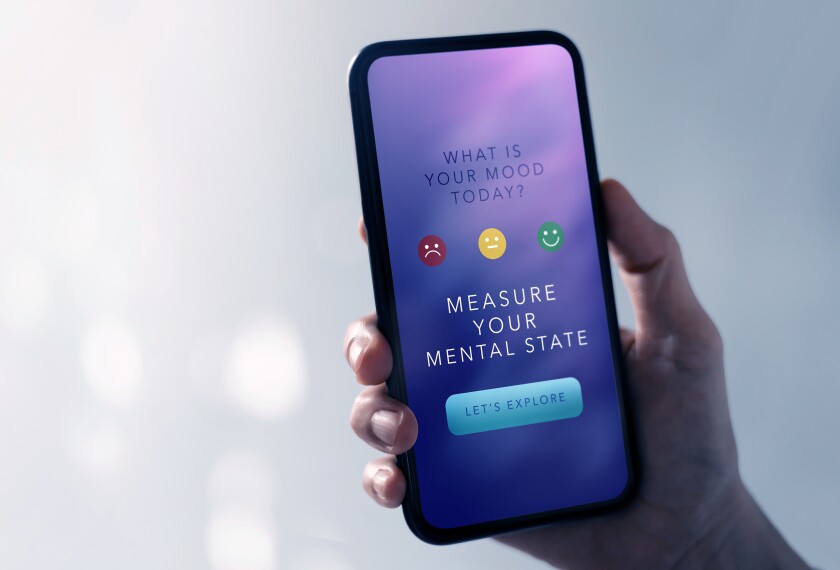
Many young people have also turned to apps to support their well-being, the report found. They said they’ve downloaded apps for meditation, mindfulness, tracking habits and sleep, and journaling.
Rossen said there are probably several reasons students turn to an app: They might not want to go through the process of going through the logistics of seeking professional mental health support; they are more comfortable using technology to get information and communicate with other people; and a phone app is accessible all the time.
Young people give mixed reviews on the helpfulness of apps, though. Among respondents who have ever used an app for their mental health and well-being, 47 percent found the app to be very helpful or somewhat helpful, while 37 percent found the app a little helpful or not at all helpful, the report found.
Anjali said she and her peers will often see ads for these apps and will try them to figure out if they will be helpful. More often than not, her peers say they delete the apps after a while, she said, because they aren’t helpful or because of the cost.
The role schools can play
The report should be a “wake-up call” for adults that young people need more accessible mental health support, Anjali said. And schools should be a “safe haven” for them to reach out for support, she said.
School and district leaders need to make sure that students and families are aware that there’s help available within their school buildings, Rossen said.

Schools could start providing a list of vetted apps and websites that students and families could use to support their well-being, Rossen said. But it shouldn’t stop there. Schools could help families navigate through the apps and remind them that there are school-based health professionals who can help them process their experiences with the apps.
Schools could also teach students the skills they need to determine what’s a good source of mental health information and what makes a good mental health app, too, Anjali said.
Anjali said it’s “critical” for schools to involve young people in identifying other supports they can provide to students.
“When these adults are having conversations about teen mental health, they’re not on the ground, they’re not experiencing it themselves,” she said. “When kids are given a platform, it allows for openness and trust” that create a better school culture around mental health.


