School leaders in New Haven, Conn., believe the intense pressure to be accountable should be felt beyond the classroom walls. So the school district hopes to share the burden of educating children with parents and the community.
|
In its new accountability plan, the 21,000-student district outlines responsibilities, expectations, rewards, and interventions for a wide range of groups: teachers, students, district staff members, principals, parents, and community residents.
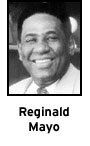
“The whole community should be rallying around developing young people academically and socially,” said Superintendent Reginald Mayo. “Therefore, other people should be held accountable: parents, businesses, higher education institutions, and the faith community.”
For parents who make sure their children complete homework and attend classes, rewards will include recognition on a “parent honor roll” and discounts at local businesses. In extreme cases, their counterparts who don’t follow through on their responsibilities could be referred to the Connecticut Department of Children and Families for neglect.
But a local teachers’ union official expressed skepticism that the plan, which she described as “fluff,” will prompt any dramatic changes in New Haven’s schools.
“It sounds good on paper, but it’s not really earth-shattering,” said Patricia Lucan, the president of the New Haven Federation of Teachers. “We’re all supposed to be accountable.”
Ms. Lucan pointed out that the union contract outlines steps for reprimanding teachers, and that the district has strong relationships with New Haven businesses.
Coming Together
While the plan’s parental rewards and penalties are garnering the most attention, Mr. Mayo said that aspect alone doesn’t make the plan distinctive. He called it a comprehensive, systemic approach to focus an entire community’s attention and efforts on improving the academic achievement of its students. An associate superintendent will be appointed next month who will oversee the accountability plan.
“We’ve got to bring the whole community together around student achievement and make them realize that they’re all in this together,” Mr. Mayo said. “You’ll find that this raises that level of consciousness.”
The plan was drawn up after more than a year of meetings under the leadership of Dr. James P. Comer, a professor of child psychiatry and the founder of the Child Study Center at Yale University in New Haven. Dr. Comer co-chaired the 27-member committee that drafted the plan with Mr. Mayo.
Dr. Comer said the plan’s focus is not to punish people, but to improve the delivery of educational services. While many accountability plans place first emphasis on punitive measures, he said, New Haven’s effort will help identify problems and set out steps to help remedy them.
The district will devise parent-involvement plans for individual parents, for example, referring them to social services and assigning them a parent-involvement mentor.
“What you want for most of the parents is to help them understand that you, the school, need them to help the student grow,” Dr. Comer said.
Shirley Igo, the president of the Chicago-based National PTA, said she was encouraged that New Haven included parents in its accountability efforts. Many private schools and charter schools, she noted, require their participation.
Last year, the 433,000-student Chicago school system developed optional parent “checklists” that detailed how well their children were prepared to attend school. (“Chicago Parents Get Report Cards on Involvement,” Nov. 8, 2000.)
Still, Ms. Igo said, New Haven must be cautious because there are different levels of parental involvement.
The district must establish fair standards that take into account cultural and socioeconomic factors that may affect the ability of parents to assume such responsibilities, she said. The issue, Ms. Igo said, is achieving mutual respect between the parents and school staff members.
She also cautioned: “They must be sure that children are not being punished or held up to ridicule for the actions of their parents.”


