Sometimes I turn on my TV and the closed-captioning feature has been activated. I can’t find the button to turn it off, so I think: It won’t distract me. And yet, I usually find it impossible to ignore.
It turns out that reading same-language subtitles while listening to the same words on screen is a complicated transaction. A study by the University of Nottingham, in England, looked closely at just this process—what our eyes are doing when we are listening and reading simultaneously—and its implications for K-12 education seemed significant.
Intrigued, I looked into the matter further, finding that same-language subtitling can actually support literacy. In other words, rather than being simply annoying, listening to English and reading English subtitles helps in decoding words and reading better. In fact, the linguist and researcher Martine Danan calls captioning an “undervalued language-learning strategy.”

An Indian researcher and social entrepreneur, Brij Kothari, noticed this casually and has since devoted his career to the subject. In several controlled studies with schoolchildren in early grades—half of them exposed to videos with captions and half to the same videos without captions—Kothari and colleagues reported more than 10 years ago that captions contributed to word-recognition and -comprehension skills. Another study found that subtitles support the understanding of film or audio sources.
Most of the existing studies are looking at videos with subtitles or karaoke-style captions. But why not add subtitles to radio?
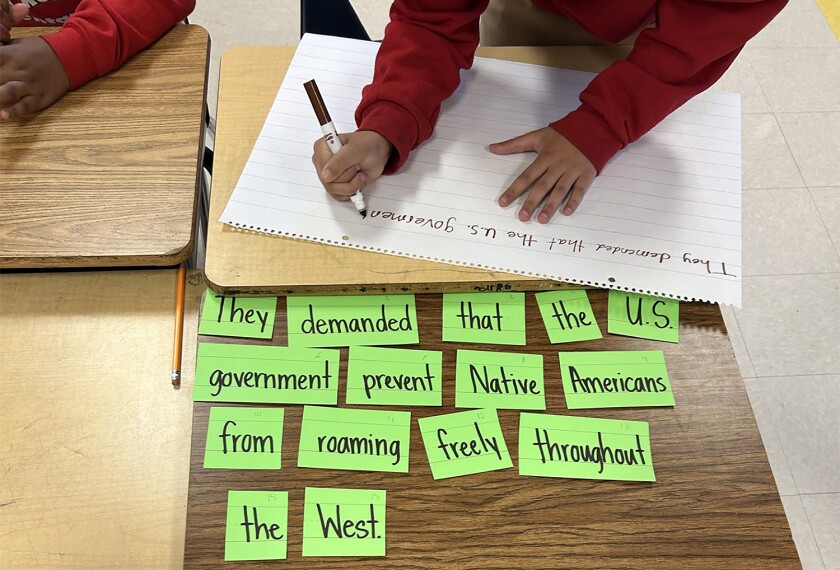
Enter Listen Current—an online resource that research colleagues and I have created. Supporting listening with transcripts, it curates the best of public radio as a resource to keep teaching connected to the real world and build students’ listening skills at the same time. Nonfiction storytelling, carefully chosen for relevance to a teacher’s curriculum and students, works for science, social studies, and English/language arts. The audio stories come with lesson plans that are aligned to standards and learning objectives. A premium model of this program offers a live transcript with same-language subtitling projected on to a computer screen as the audio is being streamed, so that the students can follow along. If the emerging research is correct, when students listen to a story while tracking the transcript, their literacy skills will get a boost.
If the emerging research is correct, when students listen to a story while tracking the transcript, their literacy skills will get a boost."
We added this listening-subtitling feature because teachers asked for it. They wanted the ability to have their students cite specific portions of text. They wanted to use it with their English-language learners who needed the words to follow the story. And they wanted to use it with students who struggled with reading. As our research team learned more about the impact of same-language subtitling on reading and language skills, we were sold on the idea of “captioning the listening.”
The largest and most recent study about same-language subtitling comes from an unlikely source—India’s so-called Bollywood movie productions. Kothari and researcher Tathagata Bandyopadhyaya set out to chart the potential impact on the country’s millions of functional illiterates of viewing songs from popular movies on television. Essentially, they discovered, kids were learning to read by watching these Bollywood films while following along with the subtitles. They were even writing down the song lyrics to memorize them and share with friends. The study showed that exposure to same-language captioning in film songs contributed positively to decoding skills.
Another study by Kothari that was cited by the U.S. Department of Education’s What Works Clearinghouse focused on secondary students in Hawaii to see if karaoke-style subtitling improved reading comprehension. In this instance, rather than Bollywood musicals, researchers used Broadway musicals such as “Les Misérables” and “Cats” to support reading strategies. Students listened to the music and followed along with the text, as if they were doing karaoke. They answered questions while viewing the videos and listening to the audio. They also produced their own subtitled files. Students who had the same-language-subtitling intervention scored significantly higher on follow-up tests of reading comprehension than students in the control group did.
All of this research supports an important, but overlooked, opportunity in the classroom. For students struggling with reading, or learning English as a second language, subtitling can help.