Opinion
Used to Think
School & District Management Opinion

‘I Used to Think School Systems Were Broken': Educators Reflect

A Video Project
September 27, 2023 1 min read
School & District Management Opinion

‘I Used to Think School Systems Were Broken': Educators Reflect

A Video Project
September 27, 2023 1 min read
  • Save to favorites
  • Print

Getting anyone to change their mind or even evolve their thinking can be a serious challenge. But a course for future systems leaders at the Harvard Graduate School of Education aims to do just that. Originally taught by Richard Elmore, the late education professor, the course is now led by Jennifer Perry Cheatham, a former district superintendent. In collaboration with two education leaders and former graduate students, Cheatham updated the course, keeping Elmore’s now-famous 2010 essay “I Used to Think … and Now I Think ...” in mind. Wrote Elmore, “As practitioners, we are notoriously poor observers of our own practice and therefore not very good at judging the correspondence between our beliefs and our behavior.”

To explain how they narrowed that distance between their beliefs and behavior, the education leaders from last year’s course share their thoughts below. To see how you, as a systems, building, or instructional leader can incorporate this work into your practice, read the corresponding essay by Jennifer Perry Cheatham, Erica Lim, and Carmen Williams.

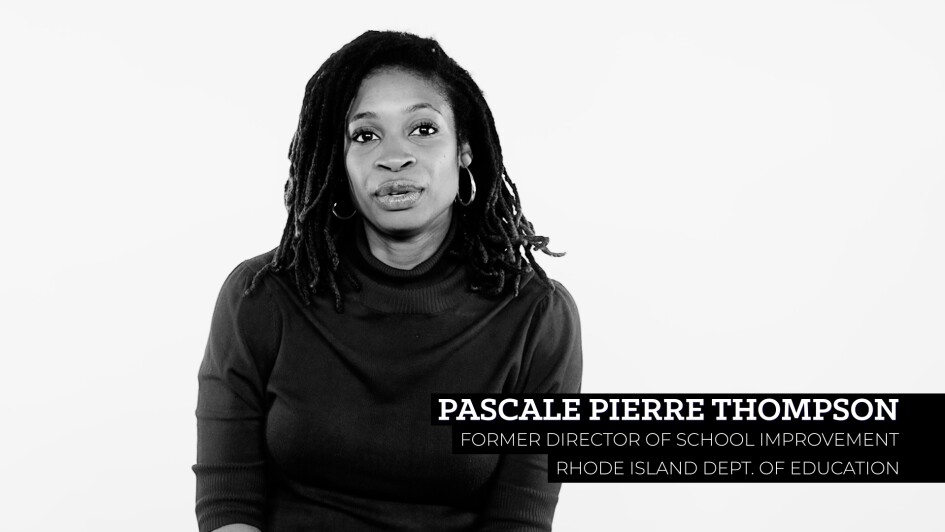
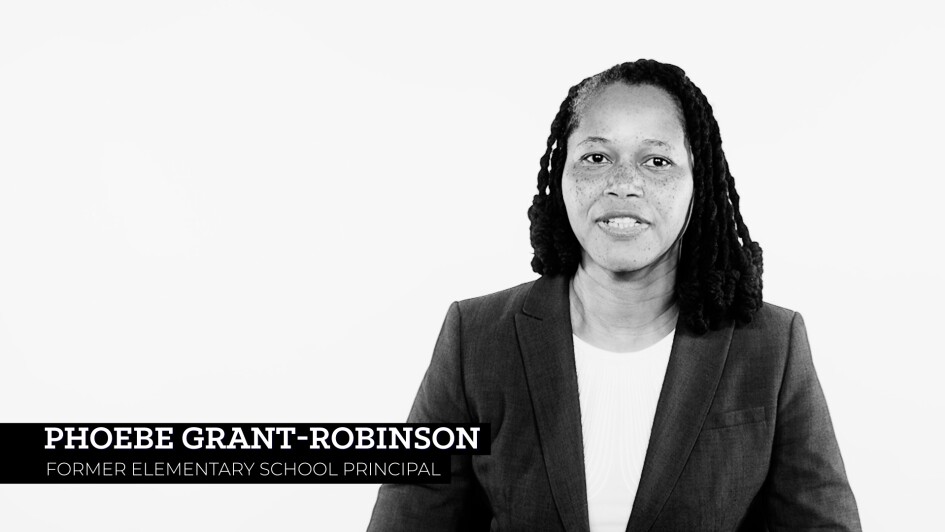
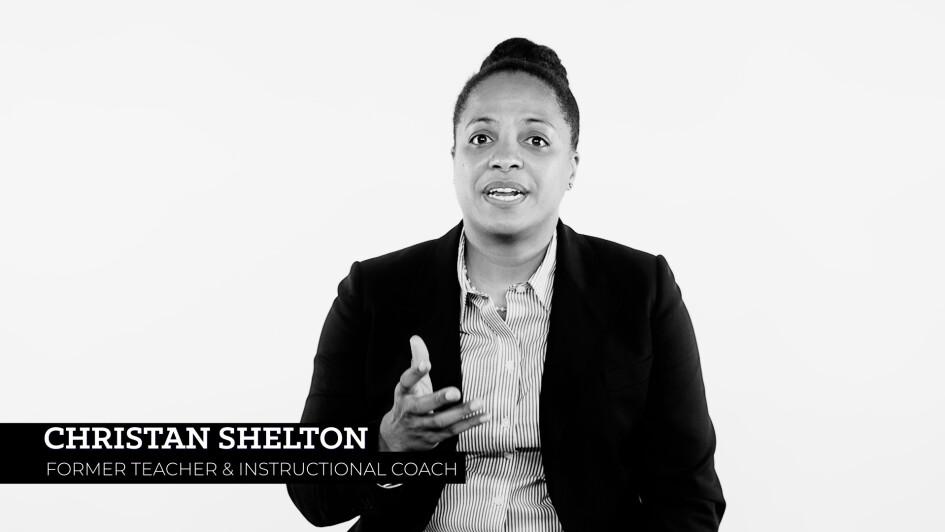
Editor’s note: The videos were filmed while these students were taking the Leaders of Learning class. Their titles reflect their positions at the time of filming.

  • I used to think... we needed revolution.

    I used to think... there were a few roles that if done correctly could radically transform education.

  • I used to believe... in policy solutions to ensure an equitable, level playing field for every child.

    I used to think... that leaders of learning had to have all the answers.

  • I used to think... to meet the needs of the students on the margins, I had to bend the rules whenever possible.

    I used to think... leading learning was about teacher autonomy.

  • I used to think... that the best strategies for leading learning would come from the outside.

    I used to think... the greatest barrier impacting education was the external environment and social conditions.

  • I used to think... that state and federal officials were charged with creating policy for districts and school communities.

    I used to think... that master scheduling was a technical exercise.

  • I used to think... that education reform was simple.

    I used to think... that because individuals learn naturally, then organizations should be able to learn naturally as well.

  • I used to think... school systems were broken.

    I used to think... that superintendents were best positioned to do the work of ensuring that the vision was carried out in the district.

  • I used to think... that I could diagnose the next steps for instructional improvement primarily based on what I could see.

    I used to think... that instructional coherence ran vertical across different school sites within a school district.

  • I used to think... that my impact as a central office leader was limited because I don’t have direct instructional experience.

    I used to think... that the district-level leader or superintendent’s main role was to create a strategic vision and then build a team to help execute that vision.

  • I used to think... that learning organizations were defined by formal structures.

    I used to think... that organizational learning happened organically.

  • I used to think... instructional coherence was mostly just a vision.

    Related Reading

    How I Teach Educators to Change Their Minds
    Explore the related essay.

Related Tags:

Events

This content is provided by our sponsor. It is not written by and does not necessarily reflect the views of Education Week's editorial staff.
Sponsor
Reading & Literacy Webinar
Unlocking Success for Struggling Adolescent Readers
The Science of Reading transformed K-3 literacy. Now it's time to extend that focus to students in grades 6 through 12.
Content provided by STARI
Jobs Virtual Career Fair for Teachers and K-12 Staff
Find teaching jobs and K-12 education jubs at the EdWeek Top School Jobs virtual career fair.
This content is provided by our sponsor. It is not written by and does not necessarily reflect the views of Education Week's editorial staff.
Sponsor
Artificial Intelligence Webinar
MTSS + AI in Action: Reimagining Student Support
See how one district is using AI to strengthen MTSS, reduce workload, and improve student support.
Content provided by Panorama Education

EdWeek Top School Jobs

Teacher Jobs
Search over ten thousand teaching jobs nationwide — elementary, middle, high school and more.
View Jobs
Principal Jobs
Find hundreds of jobs for principals, assistant principals, and other school leadership roles.
View Jobs
Administrator Jobs
Over a thousand district-level jobs: superintendents, directors, more.
View Jobs
Support Staff Jobs
Search thousands of jobs, from paraprofessionals to counselors and more.
View Jobs

Read Next

School & District Management Many Assistant Principals Aren’t Seeking Promotion. Here’s Why
The assistant principalship isn’t just a stepping stone to the top job in a school.
6 min read
Image of a male and female silhouette standing near an illustrated ladder going.
Afry Harvy/iStock/Getty
This content is provided by our sponsor. It is not written by and does not necessarily reflect the views of Education Week's editorial staff.
Sponsor
School & District Management Sponsor
Belonging as a Leadership Strategy: Five Practical Actions That Strengthen Learning
Belonging has become an imperative for school and district leaders navigating attendance challenges, disengagement, and staff strain. Belonging is not abstract—actions to promote belonging are central to performance and culture.
Content provided by National University
School & District Management Opinion The One Word That Educators Can Use to Reclaim Their Joy
The work may not change, but your perspective can.
3 min read
A school leader changes their perspective and focuses on the positive parts of their career.
Vanessa Solis/Education Week via Canva
School & District Management Opinion 12 Strategies Administrators Can Use to Prevent Staff Burnout (and Their Own)
Creating a healthier school culture begins with building trust, but it doesn't end there.
7 min read
Conceptual illustration of classroom conversations and fragmented education elements coming together to form a cohesive picture of a book of classroom knowledge.
Sonia Pulido for Education Week